
Services
Highlights





"
Have they not considered how Allah originates creation and then repeats it? Indeed that, for
Allah, is easy. "
Quran 29:19
Quran 29:19
News Around the World
WORLD AFFAIRS
YAHOO.COM
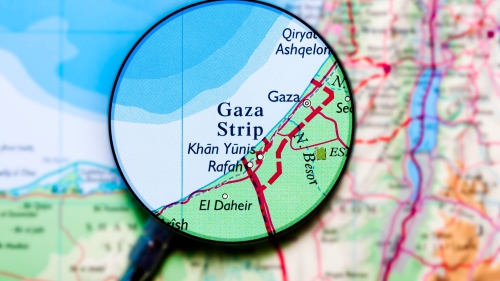
Hamas official says group would lay down its weapons if a two-state solution is implemented
WORLD AFFAIRS
ALJAZEERA.COM
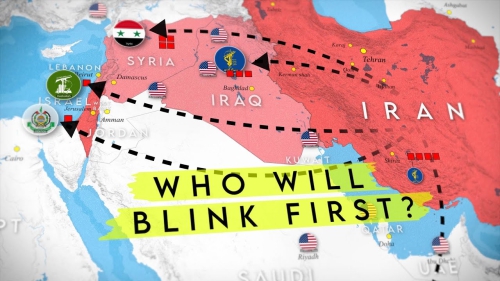
Cost of doing business with Iran? U.S. warns Pakistan of sanctions risk
WORLD AFFAIRS
NEWSWEEK.COM
Yemen: Houthis claim responsibility in U.S. cargo, naval ship attack
WORLD AFFAIRS
AXIOS.COM
Top Israeli and Egyptian officials secretly meet to discuss possible Rafah invasion
WORLD AFFAIRS
REUTERS.COM
TikTok CEO expects to defeat US ban: ‘We aren’t going anywhere’
WORLD AFFAIRS
COMMONDREAMS.ORG
Texas state troopers in riot gear crack down on UT students’ Gaza protest
WORLD AFFAIRS
THECRADLE.CO
The geopolitics of labor: Israel’s quest to replace Palestinian workers with Indians
UNCATEGORIZED
MIDDLEEASTMONITOR.COM
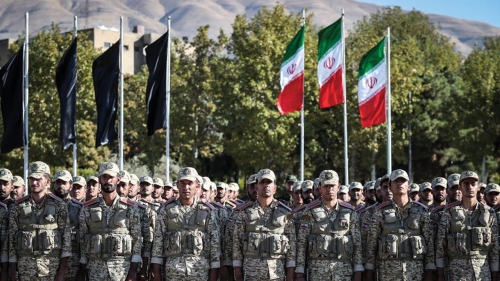
UN: Iran ‘weeks not months’ away from enough uranium to make bomb
WORLD AFFAIRS
MONDOWEISS.NET
“Antisemitism panic” at Columbia University is manufactured hysteria
WORLD AFFAIRS
MIDDLEEASTEYE.NET
Germany to resume funding UNRWA in Gaza
WORLD AFFAIRS
APNEWS.COM
It began at Columbia. Now students nationwide are upping their Gaza war protests