
Services
Highlights





"
And We sent not before you (O Muhammad) any messenger except that We revealed to him
that, "There is no deity except Me, so worship Me (alone)." "
Quran 21:25
Quran 21:25
News Around the World
WORLD AFFAIRS
THECRADLE.CO
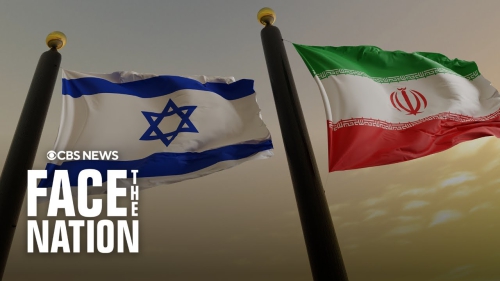
How Iran’s ‘strategic patience’ switched to serious deterrence
WORLD AFFAIRS
COMMONDREAMS.ORG
Israel is committing one of history’s Great Crimes in Gaza
WORLD AFFAIRS
WSWS.ORG
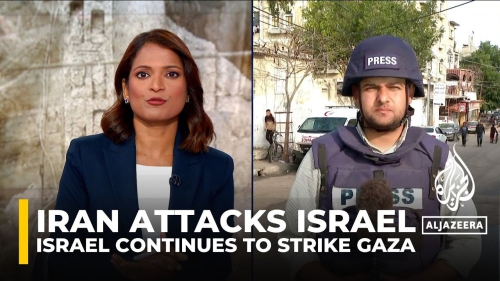
Israel vows “response” to Iranian strikes, as Gaza genocide continues
WORLD AFFAIRS
MONDOWEISS.NET
Israeli army opens fire on thousands attempting to return home to north Gaza
WORLD AFFAIRS
MIDDLEEASTEYE.NET
How Iran attacks exposed Israel’s weakness
WORLD AFFAIRS
ARCHIVE.IS
Amira Hass: There’s no way to quantify the suffering in Gaza
WORLD AFFAIRS
STRATEGIC-CULTURE.SU
The Gaza genocide as explicit policy: Michael Hudson names all names
WORLD AFFAIRS
SONAR21.COM
Despite Western insistence that Iran failed, Iran did what it planned to do in Israel
FINANCE
ZAWYA.COM
ECB could cut rates more than three times in 2024: Simkus
NATURE & SCIENCE
NATURE.COM
Lethal dust storms blanket Asia every spring — now AI could help predict them
FAITH & SPIRITUALITY
ALJAZEERA.COM
Sikhs celebrate harvest festival of Baisakhi, marking new year
LIFE & SOCIETY
ECONLIB.ORG
Religious Incentives and Life in Society