



CARRY IT WITH YOU EVERYWHERE.
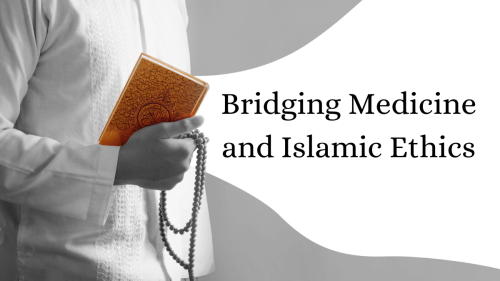
Traditional Tasbih used for Dhikr after each Salat.
What is Tasbih?
In Islam, Tasbih signifies a form of dhikr (prayer)
that involves the repetitive utterances of short sentences glorifying God. The
same word is also used for Prayer Beads (Rosary) consisting of 99 or 33
beads.
Using Prayer Beads as a tool of meditation is as old as human
history. A simple device it make it easier for believers to pray in a
focused and consistent manner. Tasbih has
profound physical, metaphysical and psychological effects on the
practitioner.
The Islamic Tasbih is similar to
the Komboskini of the Greek Orthodox Church and the Rosary of the
Roman Catholics. Buddhists and Hindus use the Japa
Mala consisting of 27 beads, a divisor of 108. The Chinese Buddhists and
Taoists use a 108-bead device called su-chu, which has three dividing
beads, so the su-chu is divided into three parts of 36 each.

* Construction of a
Tasbih:
In the 99-bead Islamic version, the tasbih consists of the nisane, a disc which separates 33
beads, the pul, a small bead that marks the seventh position, the
imame, which is a long piece marking the beginning and the end of the
tasbih, and the tepelik (ornamental tassel) at the top of the
imame.
Sometimes only 33 beads are used, in this case the tasbih is cycled three times to
reach 99. In 33-bead tasbih’s, the nisane separates 11 beads and there is
no pul.
During the Prophet’s time, date stones, olive
seeds and pebbles were used to make tasbih beads. In Ottoman times rock crystal
beads with silver tassels became fashionable. Tasbih beads are also made from
ebony, pearls, amber, coral, cornelian, jade, ivory, rhino horn, etc. Tasbihs made from fragrant woods
like sandal wood are often kept in closed boxes to retain the fragrance.
The number of artisans who continue to make handmade tasbih’s in the traditional manner
is now very limited. Instead machine made glass and plastic beads have become
commonplace.
*
Dhikr after
Salat:
(Sahih
Bukhari, Volume 8, Book 75, Number 341)
Narrated Abu Huraira:
The people said:
"O Allah's Apostle! The rich people have got the
highest degrees of prestige and the permanent pleasures (in this life and the
life to come in the Hereafter)."
He said, "How is that?"
They
said, "The rich pray as we pray, and strive in Allah's cause as we do, and spend
from their surplus wealth in charity, while we have no wealth (to spend
likewise)."
He said, "Shall I not tell you a thing, by doing which, you
will catch up with those who are ahead of you and supersede those who will come
after you; and nobody will be able to do such a good deed as you do except the
one who does the same (deed as you do). That deed is to recite Subhan Allah ten
times, and Al-Hamdulillah ten times, and AllahuAkbar ten times after every
prayer.