
Services
Highlights


"
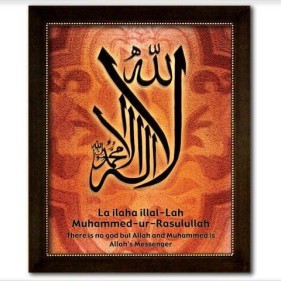
Verily, it is We Who have sent down the the Quran and surely, We will guard it (from
corruption). "
Quran 15:9
Quran 15:9
News Around the World
MIDDLE-EAST
ZAWYA.COM
Oil prices dip as demand concerns outweigh Middle East supply fears
WORLD AFFAIRS
WASHINGTONPOST.COM
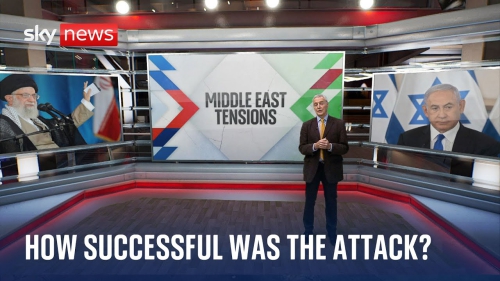
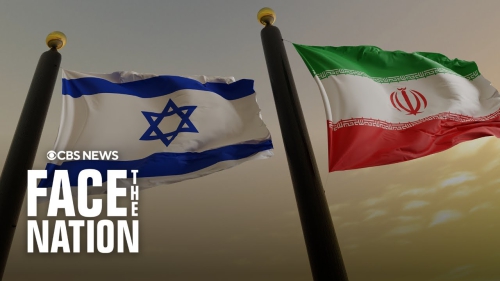
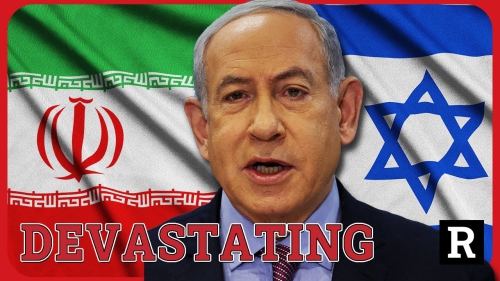
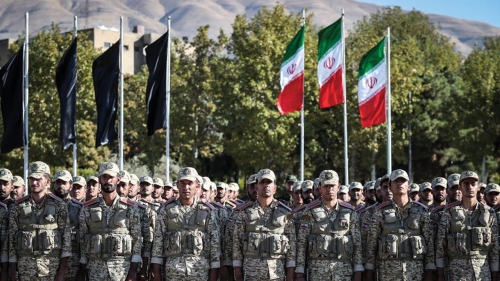
International diplomats say Israel looks set to respond to Iranian attack
WORLD AFFAIRS
ALJAZEERA.COM
Biden urges Congress to end impasse and send aid to Israel and Ukraine
YOUTH
THEGUARDIAN.COM
Tell us your experience of prayer at school
LIFE & SOCIETY
TAPINTO.NET
Register Now for Relay for Life in Support of the American Cancer Society
WORLD AFFAIRS
BBC.COM
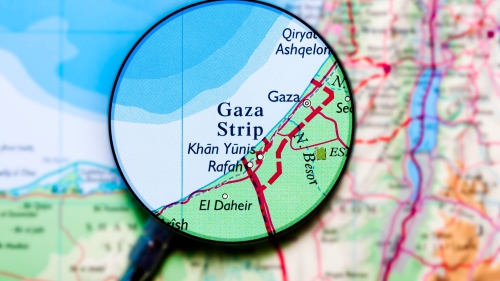
Qatar reassessing role as mediator in Gaza ceasefire talks
WORLD AFFAIRS
THEGUARDIAN.COM
Don’t blame cloud seeding for the Dubai floods
NATURE & SCIENCE
CORVALLIS SCIENCE & NATURE: EARTH DAY 2024
WORLD AFFAIRS
THEHILL.COM
Russia, Iran turning Israel and Ukraine into ‘battlefield laboratories,’ experts say
WORLD AFFAIRS
THECRADLE.CO
Israeli air defenses are not ‘Untouchable’
WORLD AFFAIRS
MIDDLEEASTEYE.NET
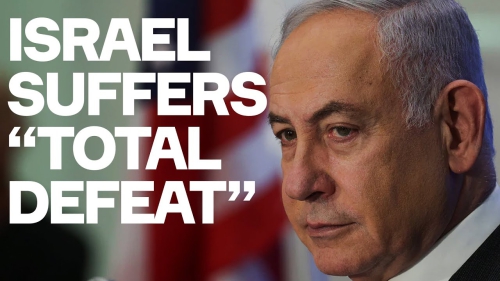
Why Israel’s savagery is a sign of its impending defeat
WORLD AFFAIRS
WSWS.ORG
Oppose the campaign to silence opponents of the Gaza genocide on campuses!