
Services
Highlights







"
Indeed, the example of Jesus to Allah is like that of Adam. He created Him from dust; then
He said to him, "Be," and he was. "
Quran 3:59
Quran 3:59
News Around the World
MIDDLE-EAST
ZAWYA.COM
Professor Asutay wins 2024 IsDB prize for impactful achievement in islamic economics
NATURE & SCIENCE
NDTV.COM
India More Than Ready To Take Steps To Become Science Powerhouse: Nature
FAITH & SPIRITUALITY
THECONVERSATION.COM
3 things to learn about patience − and impatience − from al-Ghazali, a medieval Islamic scholar
LIFE & SOCIETY
THEGUARDIAN.COM
Logical step or overreach? Guardian readers share their views on Sunak’s smoking ban
WORLD AFFAIRS
ALJAZEERA.COM
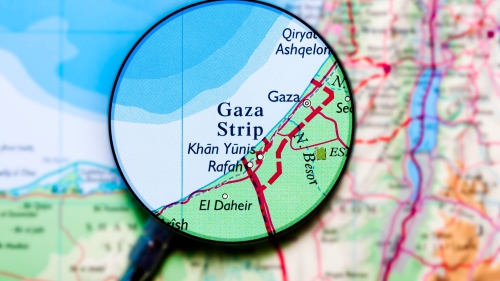
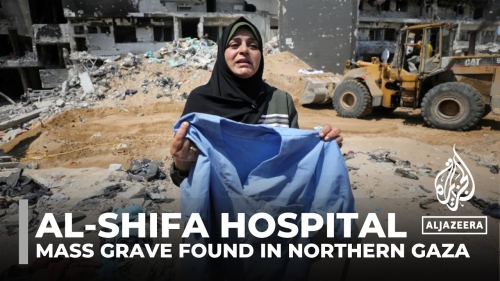
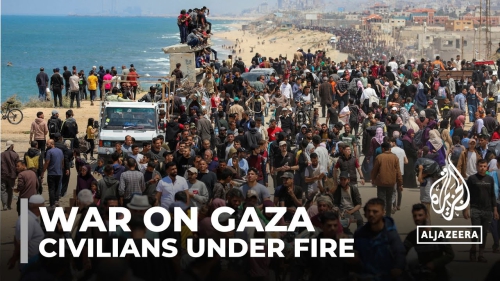
Gaza, genocide and the world’s most heinous crime
WORLD AFFAIRS
ALJAZEERA.COM
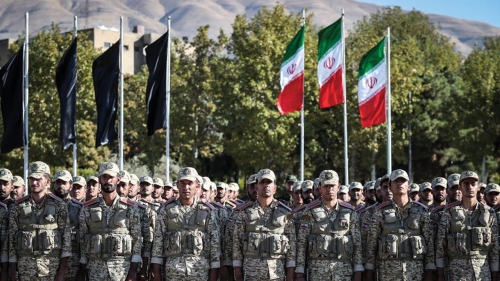
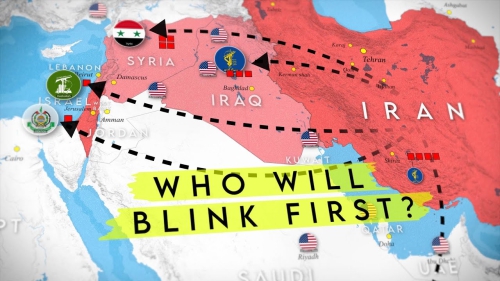
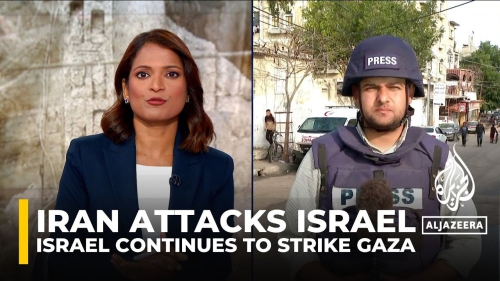
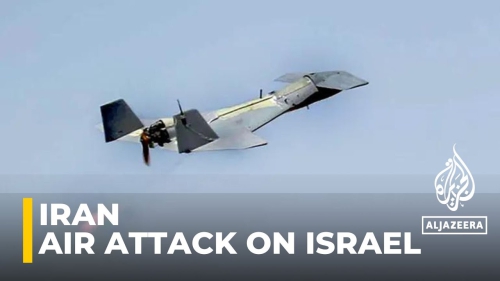
How Iran-Israel tensions have escalated since the war on Gaza: A timeline
WORLD AFFAIRS
ALJAZEERA.COM
People killed in Israeli raid in West Bank as US, EU sanction more settlers
WORLD AFFAIRS
POLITICO.COM
Iran fires air defense batteries in provinces as sound of explosions heard near Isfahan
WORLD AFFAIRS
THECRADLE.CO
Erdogan’s trade embargo on Israel is entirely self-serving
WORLD AFFAIRS
MIDDLEEASTEYE.NET
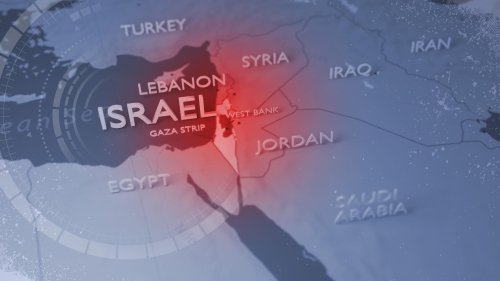
Iran-Israel tensions: Only a grand bargain in the Middle East can avert regional war
WORLD AFFAIRS
MIDDLEEASTMONITOR.COM
Hypocritical Arab and Muslim countries help Israel kill more Palestinians while condemning it
WORLD AFFAIRS
MONDOWEISS.NET
The Shift: War with Iran?