
Services
Highlights





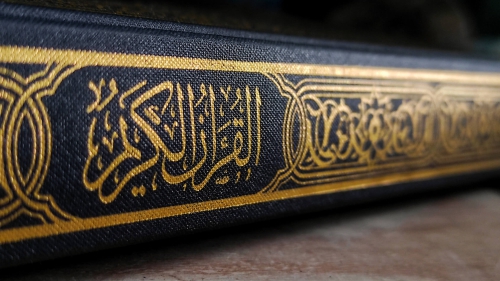
"
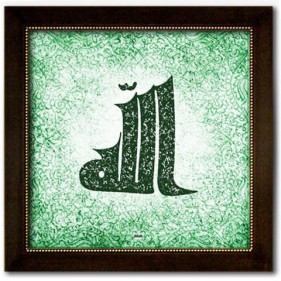
Glory be to Him, Who has created all the pairs of that which the earth produces, as well as
of their own (human) kind (male and female), and of that which they know not. "
Quran Seen 36:36
Quran Seen 36:36
News Around the World
WORLD AFFAIRS
THECRADLE.CO
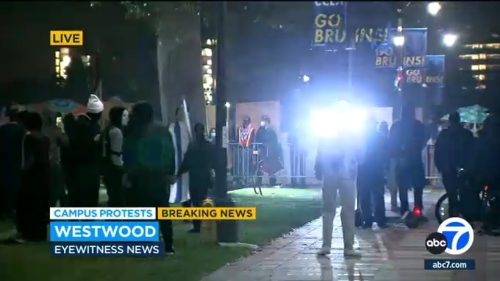
The U.S. student Intifada: Palestine’s new soft power leverage
WORLD AFFAIRS
MIDDLEEASTEYE.NET
Campus protests: This could be the moment when Israel loses the West
WORLD AFFAIRS
MIDDLEEASTMONITOR.COM
Is WhatsApp putting Palestinians at risk of being killed in Gaza?
WORLD AFFAIRS
WSWS.ORG
As ICC reportedly prepares war crimes charges, Israeli officials call to bomb Rafah
WORLD AFFAIRS
MONDOWEISS.NET
How Israel violates International Law in Gaza: expert report
WORLD AFFAIRS
PROVIDENCEJOURNAL.COM
Brown University protesters agree to clear encampment. In exchange, Brown will vote on divestment.
WORLD AFFAIRS
NEWS.ANTIWAR.COM
Israel’s Smotrich calls for ‘total annihilation’ of Rafah, other cities in Gaza
WORLD AFFAIRS
LITTORIA.SUBSTACK.COM
Zionism: America’s foes discover its weakness
NATURE & SCIENCE
9NEWS.COM
Denver museum’s dinosaur exhibit gets an upgrade
FAITH & SPIRITUALITY
THEDAILYSTAR.NET
Understanding religious scriptures and finding spirituality
LIFE & SOCIETY
THEGUARDIAN.COM
The man who turned his home into a homeless shelter